'


 微电脑版控制液体灌装机
 数控液体灌装机是利用位电脑对微型水泵在灌装时间、电机转速等因素上的控制,达到均匀的、重复误差小的液体灌装方式,广泛的应用于药物、化工、食品、饮料、油脂、化妆品等行业,适用于低粘度、无颗粒的液体分装、小批量生产。
水泵泵体采用耐腐蚀的多种进口材料合成,泵体与电机分离,泵体内无机械金属部件、无磨损。具有耐油、耐热、耐酸、耐碱、耐腐蚀、耐化学品等性能。此水泵综合了自吸泵与化工泵的优点,具有自吸功能、热保护、运行平稳、可长时间连续空转、可长时间连续负载运行等优点。
有关其他用途,请向厂家咨询,对于因不按规定使用而造成的任何损坏,生产商不负责保修。此类风险由使用者独自承担。严格遵守使用说明书是本机使用要求的一部分。
电 源:AC180V-260V 外箱尺寸:400×380×200(mm)
功 率:300W 整机重量:5.5Kg
大范围:2ml-3500ml 大吸程:2m
大流量:3.2L/min 出料防滴漏功能:有
重复误差:<0.5% 断电记忆功能:有
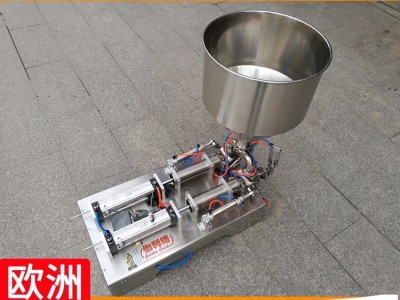
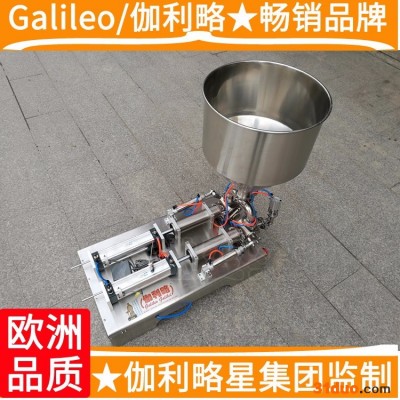
液体/膏体灌装机简介 本系列灌装机是参照国外先进灌装机技术进行改造和创新的产品,其结构简单合理,度高,操作简便,人性化设计更加符合现代企业的要求。广泛适用于医药、日化、食品、农药及特殊行业,是对高粘度流体、膏体进行定量灌装的理想设备。
设备特点
该系列灌装机结构合理、机型小巧、性能可靠、定量准确、操作方便,动力部分采用气动结构。物料接触部分均采用316L不锈钢材料制成,符合GMP认证的要求。可根据用户需要在机型范围内任意调节灌装量及灌装速度,灌装精度高。灌装闷头采用防滴漏及升降灌装装置。
该机主要动力为气源,客户需自备空压机设备。
技术参数
电源:220V 50Hz
灌装精度:≤±0.5%
灌装速度:1-25瓶/分
配用气压:0.4-0.9MPa
配用气量:≥0.1m3/min


木箱、泡沫或纸箱包装。重量轻一般发快递,其它只能发物流(需到物流站自提),详情请联系我们。

上海进变实业为一般纳税人,可开17%增值税专用**或增值税普通**,详情请联系我们。
 售后服务承诺
1.产品提供免费维修一年,免费维保期间内如发生非人为原因引起的损坏(不可抗力原因除外),上海进变实业将及时免费更换和修理。
2.产品实行终身包修,免费保修期满后买方如委托上海进变实业进行维护保养,上海进变实业将对设备进行维护更换件(),并详细列出维保内容。
3.上海进变实业本着以客户利益为,想客户所想、急客户所急,尽己所能满足客户的要求,做好售后服务。
产品品质承诺
1.上海进变实业对产品的质量及交货期负责,产品交货之日起质保期为一年(易损件三个月),终身维护。对于产品质量引起的后果,上海进变实业承担相应的责任。如因操作不当引起的后果,上海进变实业将以低成本价对设备进行维护。
2.对所有分供方都进行考察、评审,所有产品的采购都只在合格分供方进行。对分供方所提供的原材料、外购件、外协件都需经过严格复查,检验合格后方准入库;
3.产品制造严格执行“双三检”制度,不合格零件不转序、不装配、不出厂;

Fragment
Welcome to consult...ce
slept with her starved grocer, and the drum was at rest. The
drum’s was the o
nly voice in Saint Antoine that blood and hurry
had not changed. The Vengeance, as custodian of the drum, could
have wakened him up and had the same speech out of him as
before the Bastille fell, or old Foulon was seized; not so with the
hoarse to
nes of the men and women in Saint Antoine’s bosom.
Charles Dickens ElecBook Classics
f
A Tale of Two Cities
Chapter XXIX
FIRE RISES
T here was a change on the village wher
e the fountain fell,
and wher
e the mender of roads went forth daily to
hammer out of the sto
nes on the high way such morsels of
bread as might serve for patches to hold his poor ignorant soul
and his poor reduced body together. The prison on the crag was
not so dominant as of yore; there were soldiers to guard it, but not
many; there were officers to guard the soldiers, but not one of
them knew what his men would do—beyond this: that it would
probably not be what he was ordered.
Far and wide lay a ruined country, yielding nothing but
desolation. Every green leaf, every blade of grass and blade of
grain, was as shrivelled and poor as the miserable people.
Everything was bowed down, dejected, oppressed, and broken.
Habitations fences, domesticate**mals, men, women, children,
and the soil that bore them—all worn out.
Mo
nseigneur (often a most worthy individual gentleman) was a
natio
nal blessing, gave a chivalrous tone to things, was a polite
example of luxurious and shining life, and a great deal more to
equal purpose; nevertheless, Mo
nseigneur as a class had,
somehow or other, brought things to this. Strange that Creation,
designed expressly for Monseigneur, should be so soon wrung dry
and squeezed out! There must be something short-sighted in the
eternal arrangements, surely! Thus it was, however; and the last
dro
p of blood havin
g been extracted from the flints, and the last
Charles Dickens ElecBook Classics
f
A Tale of Two Cities
screw of the rack havin
g been turned so often that its purchase
crumbled, and it now turned and turned with nothing to bite,
Mo
nseigneur began to run away from a phenomenon so low and
unaccountable.
But, this was not the change on the village, and on many a
village like it. For scores of years gone by, Mo
nseigneur had
squeezed it and wrung it, and had seldom graced it with his
presence except for the pleasures of the chase—now, found in
hunting the people; now, found in hunting the beasts, for whose
preservation Mo
nseigneur made edifying spaces of barbarous and
barren wilderness. No. The change co
nsisted in the appearance of
strange faces of low caste, rather than in the disappearance of the
high-caste, chiseled, and otherwise beautified and beautifying
features of Monseigneur.
For, in these times, as the mender of roads worked, solitary, in
the dust, not often troubling himself to reflect that dust he was and
to dust he must return, being for the most part too much occupied
in thinking how little he had for supper and how much more he
would eat if he had it—in these times, as he raised his eyes from
his lo
nely labour, and viewed the prospect, he would see some
rough figure approaching on foot, the like of which was o
nce a
rarity in those parts, but was now a frequent presence. As it
advanced, the mender of roads would discern without surprise,
that it was a shaggy-haired man, of almost barbarian aspect, tall,
in wooden shoes that were clumsy even to the eyes of a mender of
roads, grim, rough, swart, steeped in the mud and dust of many
highways, dank with the marshy moisture of many low grounds,
sprinkled with the thorns and leaves and moss of many byways
through woods.
Charles Dickens
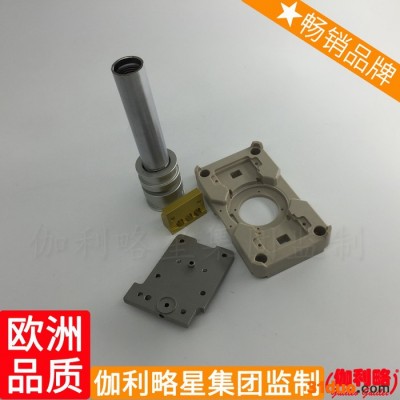 机械设备制造机械设计与机械配件厂机械零件铣削加工
 机械排烟风机 气排风机 通风工程 唐
 大封口机 枕式封口机 高频机封口机 吴


 上海电控柜 线切割高频控制柜 锅炉变频控制柜 伽肆
 豆腐封口机 高频封口机 面粉袋封口机 伽贰
 酱体包装机 高频包装机 三角包装机 汉
 自动抽水控制箱 水泡控制箱 高频振动器控制箱 伽柒
 上海复合薄膜袋封口机 上海电池封口机 上海五金封口机 伽拾



 点击图片查看原图

 Email:


